Contact Number: +86 4006234566




A 1,600 sq ft toddler section built into a suburban family entertainment center last year came in at $31,000. Twelve padded structures, a small ball area, three interactive panels, and a soft climb - factory-direct, installed inside a week once the containers cleared. The operator wanted it because parents with two-year-olds do not stay long in a space built for eight-year-olds, and they do not come back either. Commercial soft play equipment carries the youngest visitors, and it is the part of the floor that gets touched, chewed, crawled on, and cleaned more than any other.
That is a different design problem than the rest of the playground. The structures are lower, the edges are softer, and every surface a small child can reach has to hold up to constant contact without a hard corner underneath.
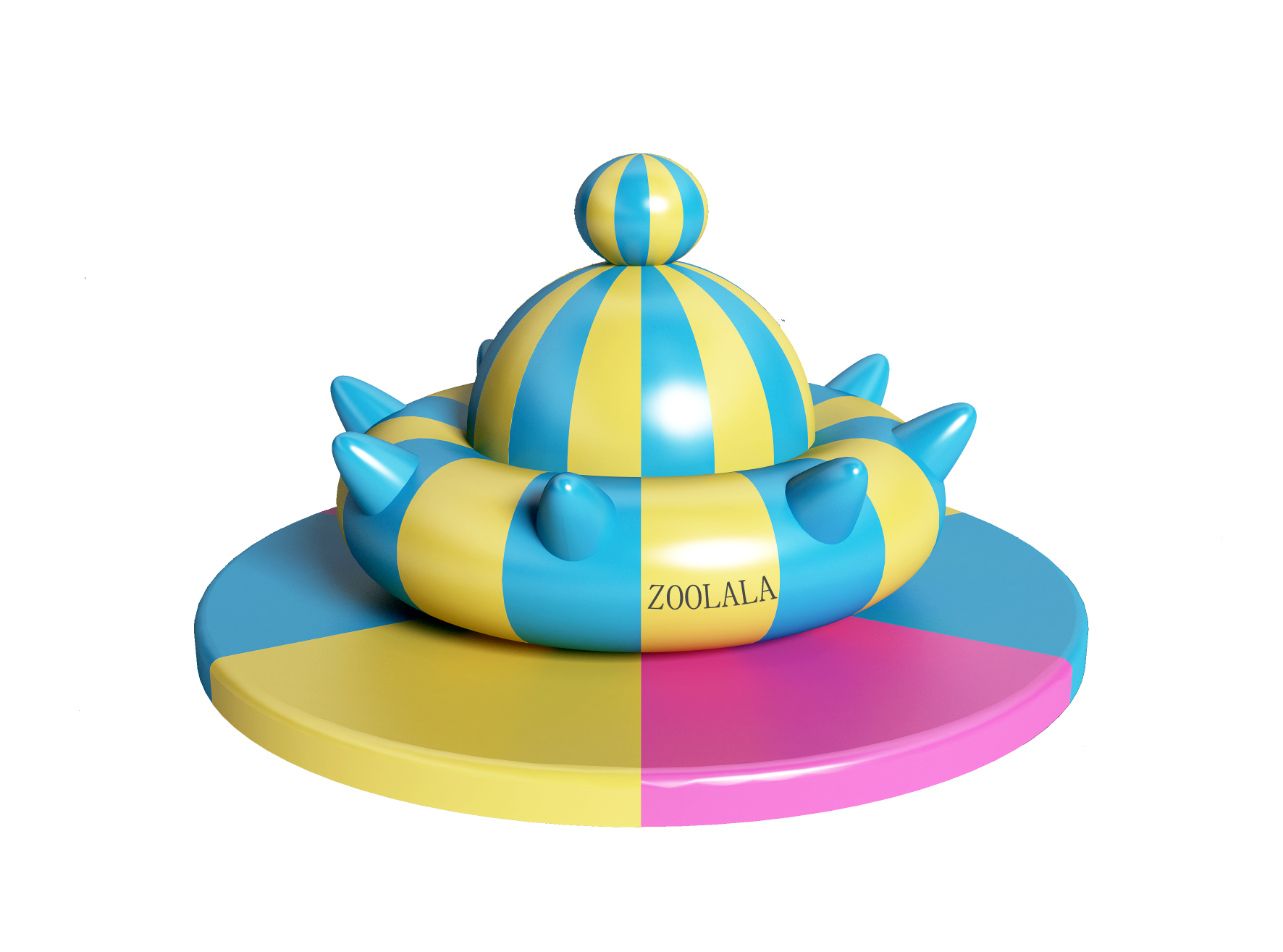
The plastic slide in a backyard sees a few dozen uses a week. A commercial soft play structure in a busy FEC can see several hundred children a day, every day, for years. That gap in traffic is the whole reason the two are built differently.
Commercial soft play equipment is built on a padded steel or foam-wrapped frame, then covered in a wear layer that takes the abuse. Residential soft play is usually molded foam with a thin vinyl skin and a warranty measured in months. The difference does not show up on opening day. Both look bright and clean under the lights. It shows up around month eighteen, when the seams on the lighter product start to open and the foam underneath compresses and stops springing back.
Separation is the first design decision. A toddler crawling through a padded tunnel and a seven-year-old sprinting off a slide do not belong in the same square footage, and most operators fence or floor-mark the toddler area as its own zone. Height stays low so a fall is short. Sightlines stay open so a parent on the bench can see the whole area without standing up.
The floor matters as much as the structures. Under a toddler zone, the impact surface is doing real work every time a child sits down hard, and the foam density under the mat decides whether that landing is cushioned or just quiet. This is where the material spec starts to matter more than the shape of the equipment. A structure can look identical to a cheaper one and sit on a floor that behaves completely differently.
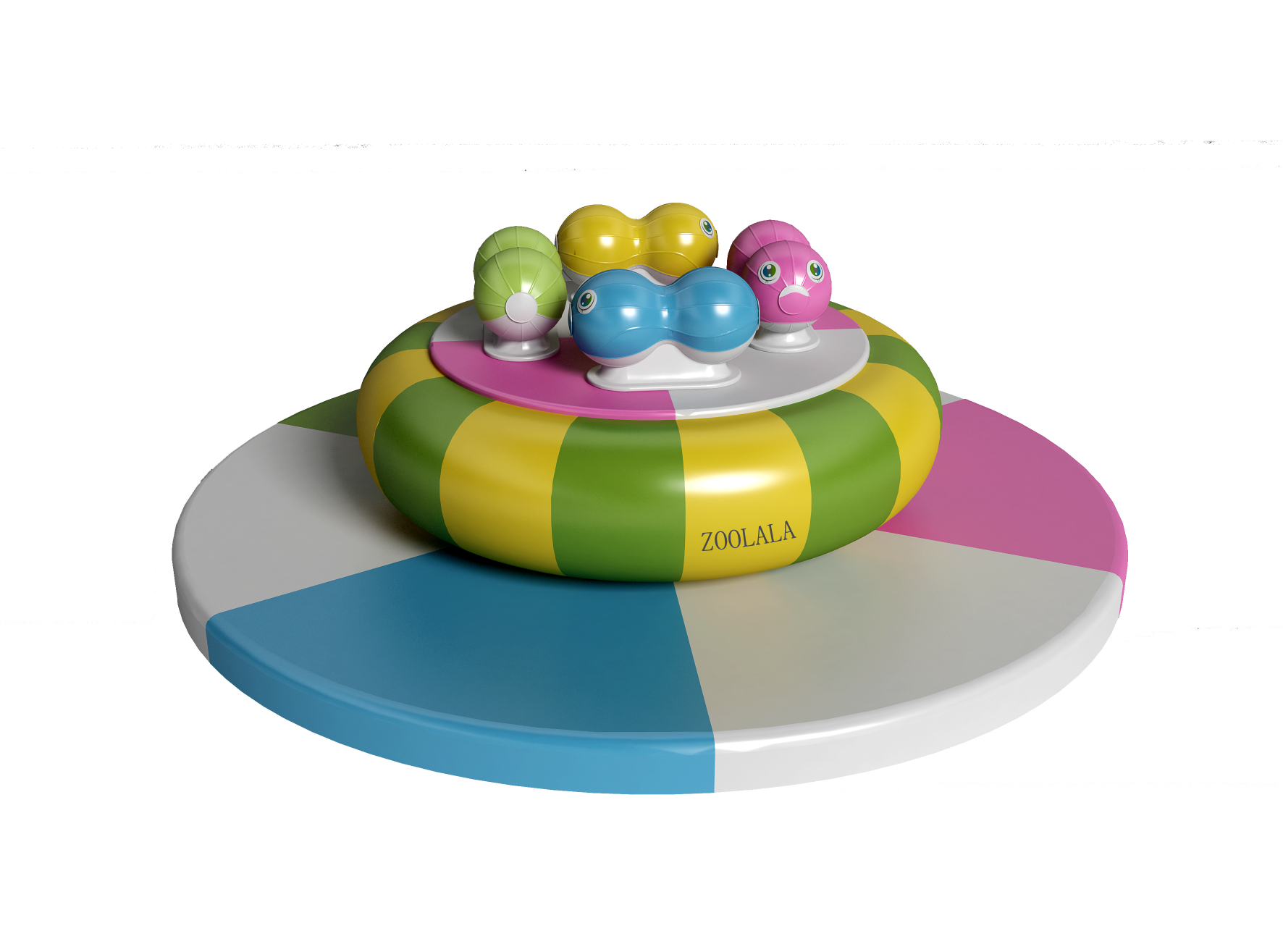
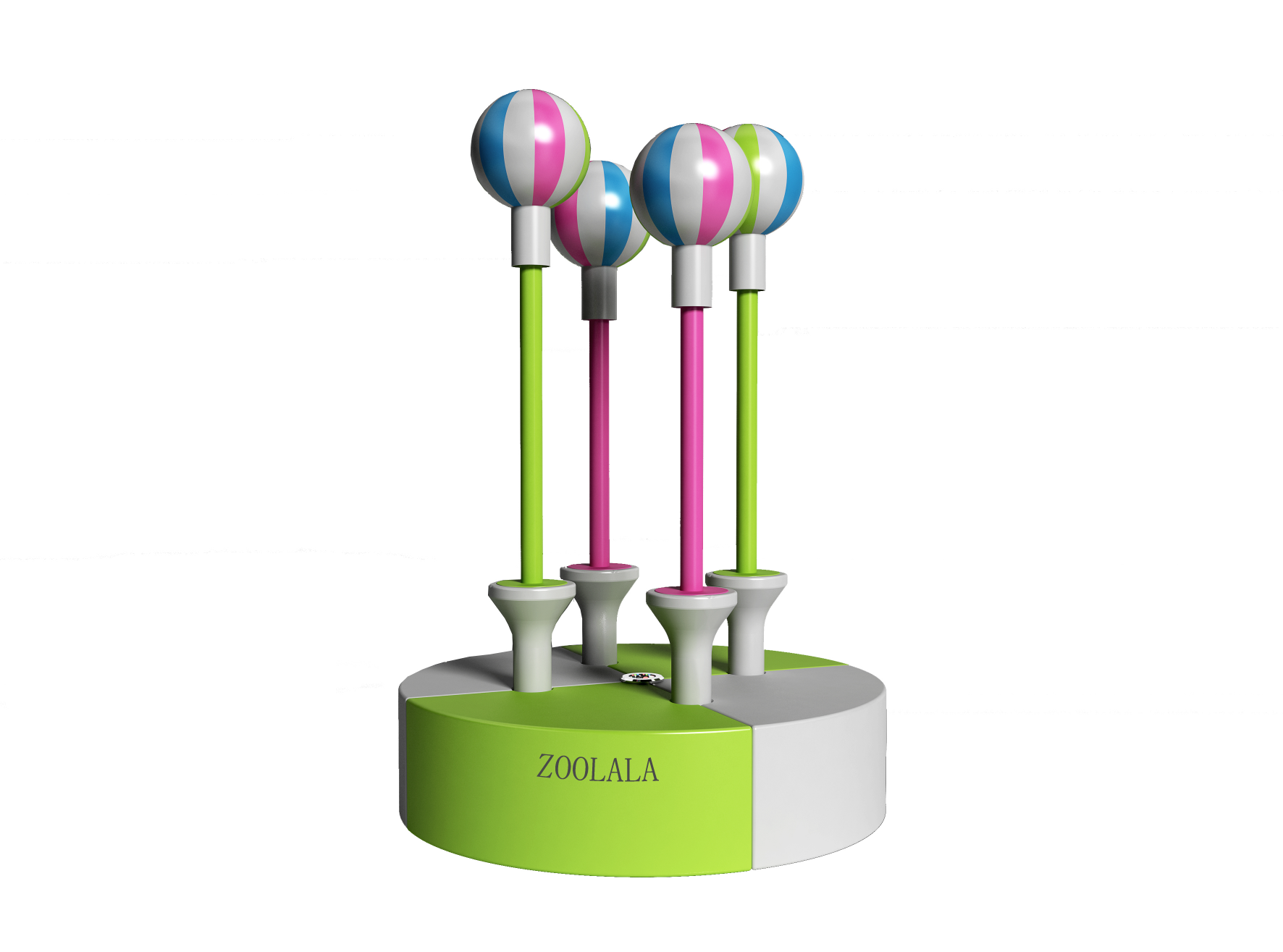
Flat padded shapes hold a toddler for a while. Motion holds them longer. Interactive soft play adds spinning drums, gentle motorized rockers, light-and-sound panels, and pneumatic or air-driven pieces that respond when a child pushes or climbs on them. A two-year-old who pushes a panel and gets a light or a sound back has a reason to push it again.
These pieces carry more engineering than a static structure. There is a motor, a control board, and a moving part a child is in direct contact with, so the speed is capped low and the pinch points are enclosed. The maintenance load is higher too - a motor and a sensor are things that can fail, where a foam block is not. Operators weigh that against the draw. Interactive elements are usually what a parent remembers and what the child asks to go back to.
Four numbers decide most of the long-term story on soft play, and none of them are visible when the equipment is new.
The foam is the first. Lefunland uses 80-density EVA foam, against the 40 to 50 density that is common in lower-cost product. Density is what the foam does after it is compressed a few hundred thousand times. Higher density springs back; lower density packs down and stays packed, and a flat pad is a hard pad. The covering is the second. The PVC wear layer over the foam is 0.45mm on Lefunland equipment, where 0.35mm is the industry-typical gauge. That third of a millimeter is the difference between a skin that resists scuffing and cleaning chemicals and one that starts to check and split at the seams.
Where soft play sits on a steel-framed structure, the frame runs 48mm x 2.2mm steel pipe rather than the 40mm x 1.5mm that is standard on imported equipment, with a powder coat of 80+ microns over it. The frame is not the part a toddler sees. It is the part that decides whether the structure still sits square after five years of a hundred kids a day hanging off it. Better foam, thicker vinyl, and heavier steel look the same on the showroom floor. The gap opens in the operator's P&L somewhere around the second year, when the cheaper build starts asking to be replaced. A closer look at how these materials are graded sits in our indoor playground equipment materials guide, and how soft play fits alongside the rest of a floor is covered in the equipment types overview.
Soft play for toddlers sits under the same public playground safety standards as the rest of a commercial floor. In North America that is ASTM F1487. In Europe and much of the rest of the world it is EN1176. Both cover the things a small child gets hurt on - entrapment gaps, protrusions, edge radius, impact attenuation of the surface underneath - and both are what an insurer and an inspector will ask to see.
A certificate is a document with numbers on it, tied to a specific product and test. Lefunland operates an SGS-authorized testing laboratory and is a principal drafting unit for China's national amusement equipment standards, which means the company that builds the equipment also tests it and helped write the rules it is tested against. For a toddler zone, where the visitor cannot read a warning sign and the parent is trusting the floor, the paperwork behind the padding is not a formality.
Every toddler zone is designed to the room it goes in - the square footage, the ceiling, the age split, and the sightlines a parent needs. Lefunland has delivered 3,000+ projects across 60+ countries since 2009, built factory-direct from a 70-acre facility, with a 45-day production lead time and pricing from $10 per sq ft. To talk through a soft play layout or get a factory-direct quote, reach us at contact@lefunland.com or on WhatsApp at +8613605727866.
Copyright 2018-2026 © ShangHai Lefunland Children's Products Co.,Ltd. All Right Reserved
