Contact Number: +86 4006234566




A low equipment quote is not the same as a low total cost.
For commercial indoor playgrounds, family entertainment centers and soft play projects, warranty and spare-parts support can affect downtime, repair cost, customer experience and equipment lifespan. This is why buyers should ask about after-sales support before paying a deposit, not after the playground opens.
The most useful warranty is not just a sentence that says "one-year warranty" or "quality guaranteed." Buyers should understand what is covered, what is excluded, which parts wear out faster, how replacement parts are ordered, who pays shipping, how quickly the supplier responds and what documentation is required.
Before choosing an indoor playground equipment supplier, ask for the warranty scope, exclusions, spare-parts list, wear-parts policy, replacement ordering process, response time, shipping responsibility and maintenance documentation.
For a custom indoor playground, useful spare parts may include extra soft padding materials, netting, connectors, hardware, signage, small plastic components, floor-repair materials and attraction-specific parts. The exact list depends on the equipment layout and should be confirmed for each project.
Do not compare suppliers only by the longest warranty claim. Compare whether the supplier can clearly explain the practical support process after opening.
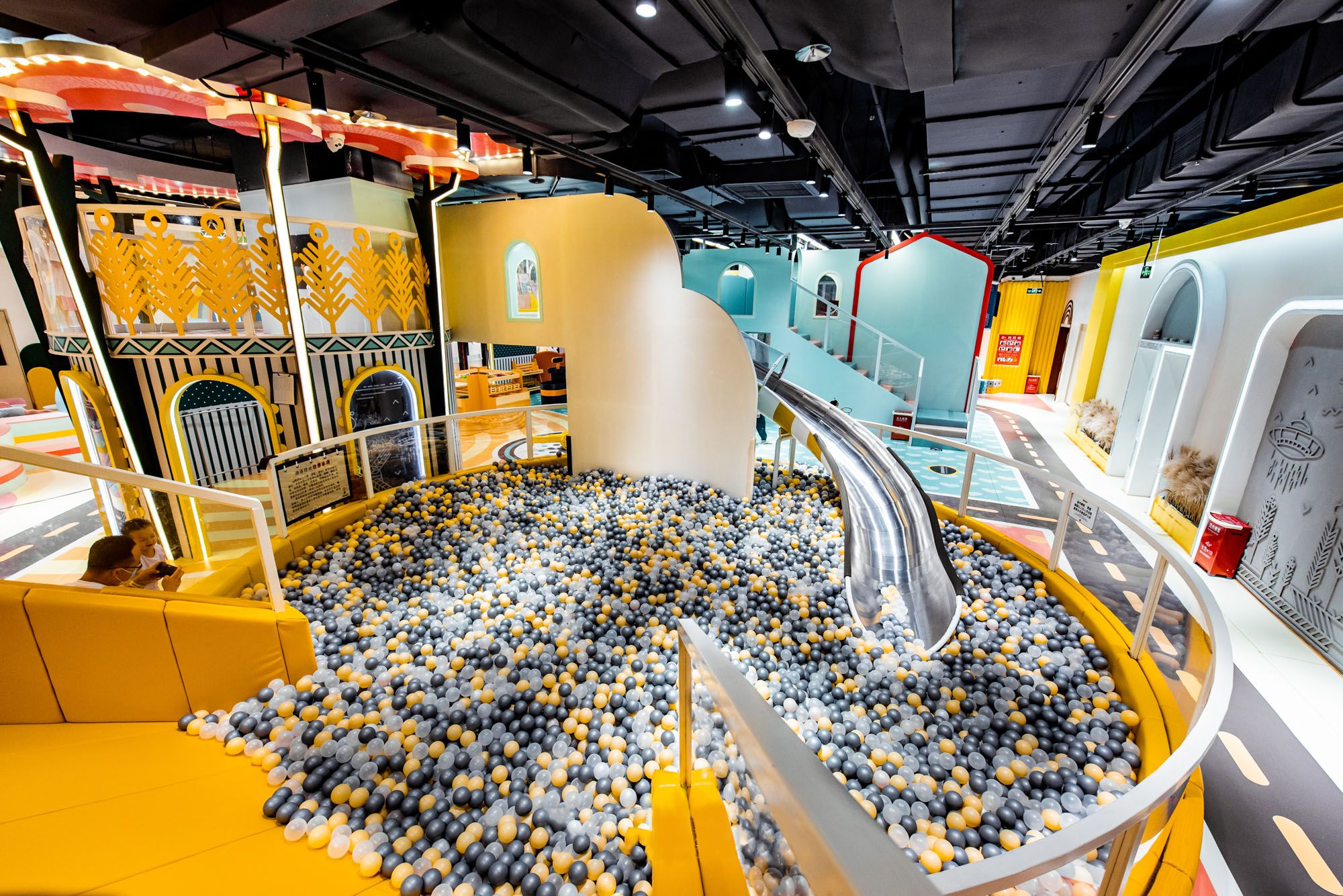
Multi-level soft play structures concentrate wear at connectors, netting and padding - the parts most often discussed in a spare-parts plan.
Indoor playground equipment is used by children every day. Even well-built equipment needs inspection, cleaning, adjustment and replacement of wear items over time.
Common causes of later maintenance include:
When spare parts and response procedures are not planned, a small issue can become downtime. For an operating playground, downtime is not just repair cost. It can affect birthday parties, weekend revenue, customer reviews and repeat visits.
This is why experienced playground owners often care more about stability, maintenance cost and service than only the lowest upfront price. Material grade sets the baseline here: the differences between a 48mm x 2.2mm steel tube and a lighter 40mm x 1.5mm section, or between 80-density EVA and a 40-50 density foam, show up as wear-part frequency long before they show up as a structural problem. The materials breakdown covers how those specs translate into service life.
A useful warranty should clearly explain:
If a supplier only says "we offer warranty" but cannot explain the process, buyers should ask more questions.
Warranty does not normally mean everything is covered in every situation. Buyers should ask what is excluded before ordering.
Common exclusions may include:
The exact policy should be confirmed in the supplier's written documents. Do not rely only on a verbal promise.
The spare-parts plan should match the actual playground layout. A toddler soft play area, trampoline zone, ninja course, climbing structure and large multi-level playground do not need the same replacement parts.
Buyers can ask whether the project should include:
For high-traffic venues, it may be useful to keep basic spare parts on site instead of waiting until something breaks.
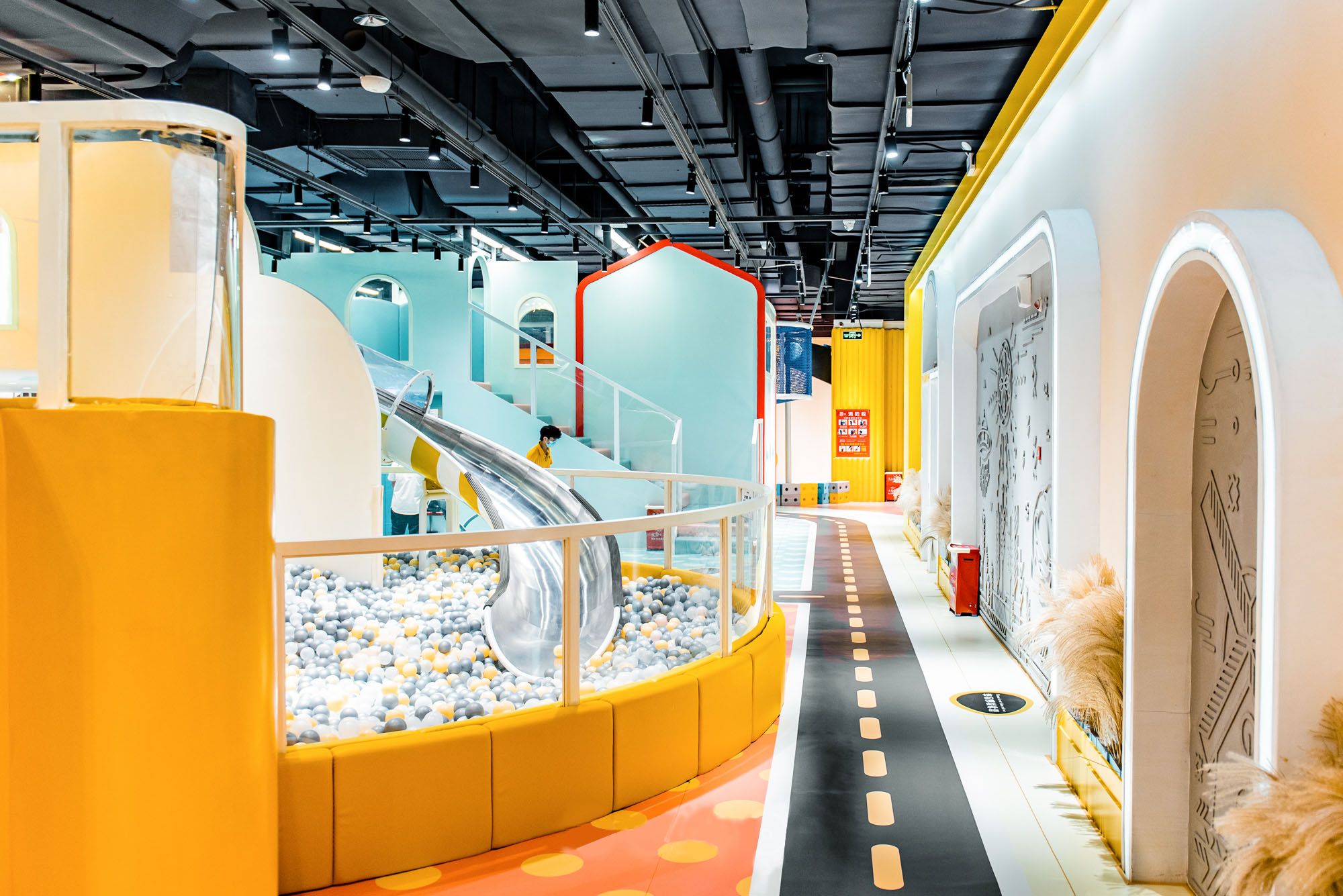
Padding covers, netting sections and connector hardware are the usual candidates for an on-site spare-parts kit.
Replacement parts are only useful if the buyer knows how to order them later.
Before choosing a supplier, ask:
For custom playgrounds, part identification matters. If the supplier cannot identify parts from drawings, photos or order records, replacements become slower.
Good after-sales support should include documentation, not only parts.
Useful documents may include:
These documents help the owner train staff and communicate with local contractors, insurance contacts or inspection professionals when needed. A structured routine built on them is covered in the maintenance guide, and the budgeting side in annual maintenance cost.
Installation quality can affect warranty and long-term performance.
If equipment is installed incorrectly, modified without approval or used in a way that conflicts with the supplier's instructions, warranty coverage may be limited. Buyers should confirm this before installation begins.
For U.S. projects, local contractors or local labor teams may perform physical installation while the manufacturer provides drawings, part labels, videos, photo review and remote technical support. The buyer should keep installation photos and records because they may be useful for later troubleshooting. How that sequence fits into the wider schedule is set out in the lead time from order to opening.
When comparing indoor playground suppliers, do not only compare the equipment price. Compare the total support system.
Ask each supplier:
The supplier that can answer these questions clearly may be easier to work with after the playground opens. The same pattern shows up on the pricing side, where two quotes for the same floor area can differ for reasons that have nothing to do with margin - see why two indoor playground quotes differ and the full equipment cost guide.
First-time playground owners often focus on the lowest purchase price because they are trying to control startup cost. That is understandable.
Owners opening a second or third location usually think differently. They have seen how maintenance, downtime, repair work and early replacement can cost more than the original price difference.
Stable repeat orders are often a better signal of quality and service than a low quote alone. If equipment stays reliable, spare parts are organized and support is responsive, operators are more likely to return to the same supplier for expansion or new locations.
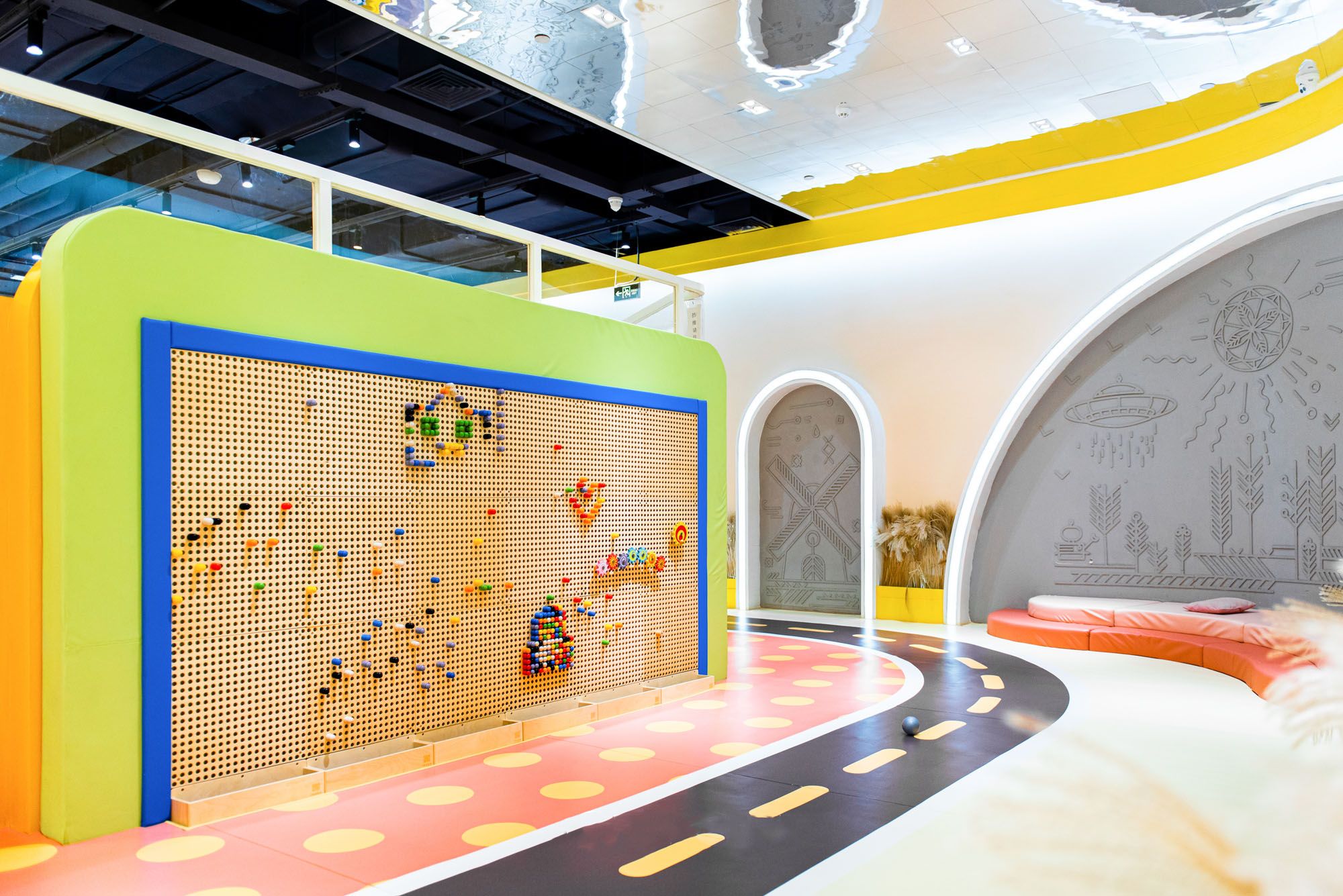
Repeat and multi-location operators tend to weight after-sales structure more heavily than first-time buyers do.
Lefunland works on custom indoor playground and family entertainment center projects across international markets. For each project, the spare-parts and support discussion should be connected to the actual equipment layout, attraction mix, installation method and operating environment.
Buyers can prepare the floor plan, attraction list, target age group, expected traffic level, opening date and maintenance concerns before requesting a quote. This helps the project team discuss which parts may need extra attention and what information should be included in the after-sales plan.
Lefunland's current public reference facts include 3,000+ projects across 60+ countries, 100+ patents, a 70-acre factory and a U.S. branch. Equipment is built to ASTM F1487 and EN1176, and verification runs through an SGS-authorized testing laboratory that Lefunland operates. The company is also a principal drafting unit for China's national amusement equipment standards. For project planning, the typical reference timeline includes about one month for design, a 45-day production lead time, about 45 days for shipping and customs, and one to two months for installation, depending on project size and site conditions.
Certification language is worth reading closely on any supplier's documents. A logo on a brochure and a certificate number tied to a specific test report are different things, and the difference matters most at the point where a warranty claim or an insurance question comes up. The ASTM F1487 vs EN1176 comparison covers what each standard actually tests, and custom design covers how a project-specific layout changes the parts list.
Warranty and spare parts should be discussed before the order is confirmed.
A useful supplier does not only sell equipment. It helps the buyer understand what is covered, what is excluded, which parts may wear faster, how replacements are ordered, what documents are provided and how support works after opening.
If you are comparing indoor playground equipment suppliers, ask for a written warranty and spare-parts plan. The lowest quote is not always the lowest long-term cost if maintenance, downtime and replacement parts are unclear.
An indoor playground equipment warranty should clearly explain which parts are covered, what is excluded, how long coverage lasts, what proof is needed, whether labor or shipping is included, and how claims are submitted. Exact terms should be confirmed in writing.
Some spare parts may be included, but the list depends on the supplier, equipment layout and contract. Buyers should ask for a project-specific spare-parts list before shipment instead of assuming all future replacement parts are included.
Wear depends on traffic level, attraction type, cleaning method and usage. Common areas to discuss include soft padding, netting, flooring, hardware, ball pit or slide areas, trampoline-related consumables and attraction-specific parts.
It can. Incorrect installation, unauthorized modification or failure to follow maintenance instructions may limit warranty coverage. Buyers should keep installation photos, drawings, part records and maintenance documentation.
Buyers should ask whether parts can be identified by drawings, photos, part numbers or order records. They should also confirm production or picking time, minimum order quantity, shipping method, freight cost and support response time.
The cheapest equipment quote can become expensive if the playground needs frequent repair, causes downtime, lacks spare parts or requires early replacement. Long-term stability, maintenance cost and support process should be part of the buying decision.
Before choosing only by price, ask each supplier for a written warranty and spare-parts plan.
Send Lefunland:
The team can help review what spare-parts and after-sales questions should be clarified before production, and prepare a factory-direct quote for your layout.
Email contact@lefunland.com or message WhatsApp +86 136 0572 7866.
Copyright 2018-2026 © ShangHai Lefunland Children's Products Co.,Ltd. All Right Reserved
