Contact Number: +86 4006234566




A trampoline park operator in Florida called their equipment supplier in March asking why three landing pads had gone from soft to slick in under eight months. The answer was in their cleaning log - or rather, it wasn't, because there wasn't one. Wipe-downs happened when a staff member remembered, deep cleaning happened before big holidays, and nobody had inspected padding stitching since the opening walkthrough. An indoor playground cleaning maintenance schedule is not a nice-to-have binder in the back office. It is the difference between equipment that reads seven years old at year seven and equipment that reads seven years old at year three.
Most operators do not skip maintenance out of neglect. They skip it because nobody handed them a schedule broken into daily, weekly, monthly, and annual tasks with a clear owner for each one. Below is the structure Lefunland recommends to FEC and daycare operators managing 3,000+ installed projects worldwide, built from what actually wears out first and what a health or safety inspector actually checks.
Ad hoc cleaning fails for a predictable reason: it responds to visible dirt, not to wear that hasn't shown up yet. A ball pit looks clean after a quick surface skim. The bacterial load underneath the balls, the torn netting six inches from view, the loose bolt on a climbing frame - none of that is visible from a walk-through. A written schedule forces someone to check the parts that don't announce themselves.
It also creates a paper trail. Insurance carriers ask for maintenance logs after an incident claim. Health inspectors in several US states now request documented cleaning schedules for ball pits and soft play surfaces during routine visits, not just during a complaint-driven inspection. An indoor playground cleaning maintenance schedule that exists only in someone's memory produces nothing to hand over.

Daily walkthroughs catch loose fasteners and surface wear before they become safety issues.
Daily tasks take fifteen to thirty minutes and happen before doors open. They cover what changes in a single day of traffic.
| Task | What to check |
|---|---|
| Visual walkthrough | Torn PVC covering, exposed foam, loose padding at seams |
| Ball pit skim | Remove visible debris, food, broken balls; spot-check for moisture |
| High-touch surface wipe | Handrails, slide entry points, climbing grips - disinfectant wipe-down |
| Fastener spot-check | Hand-test bolts on high-traffic connection points (slide joints, net anchors) |
| Floor mat inspection | Check for curling edges, tripping hazards, standing moisture |
| Signage and barriers | Confirm age-zone signage and toddler barriers are in place and undamaged |
The ball pit skim is the one operators most often shortcut, and it's the one with the fastest payback. Balls trap moisture, food residue, and skin oil in a warm, high-traffic environment - close to ideal conditions for bacterial growth. A daily skim plus a documented full-ball wash on a rotating schedule keeps that risk contained instead of compounding daily.
Weekly tasks run thirty to sixty minutes and catch what a daily glance misses.
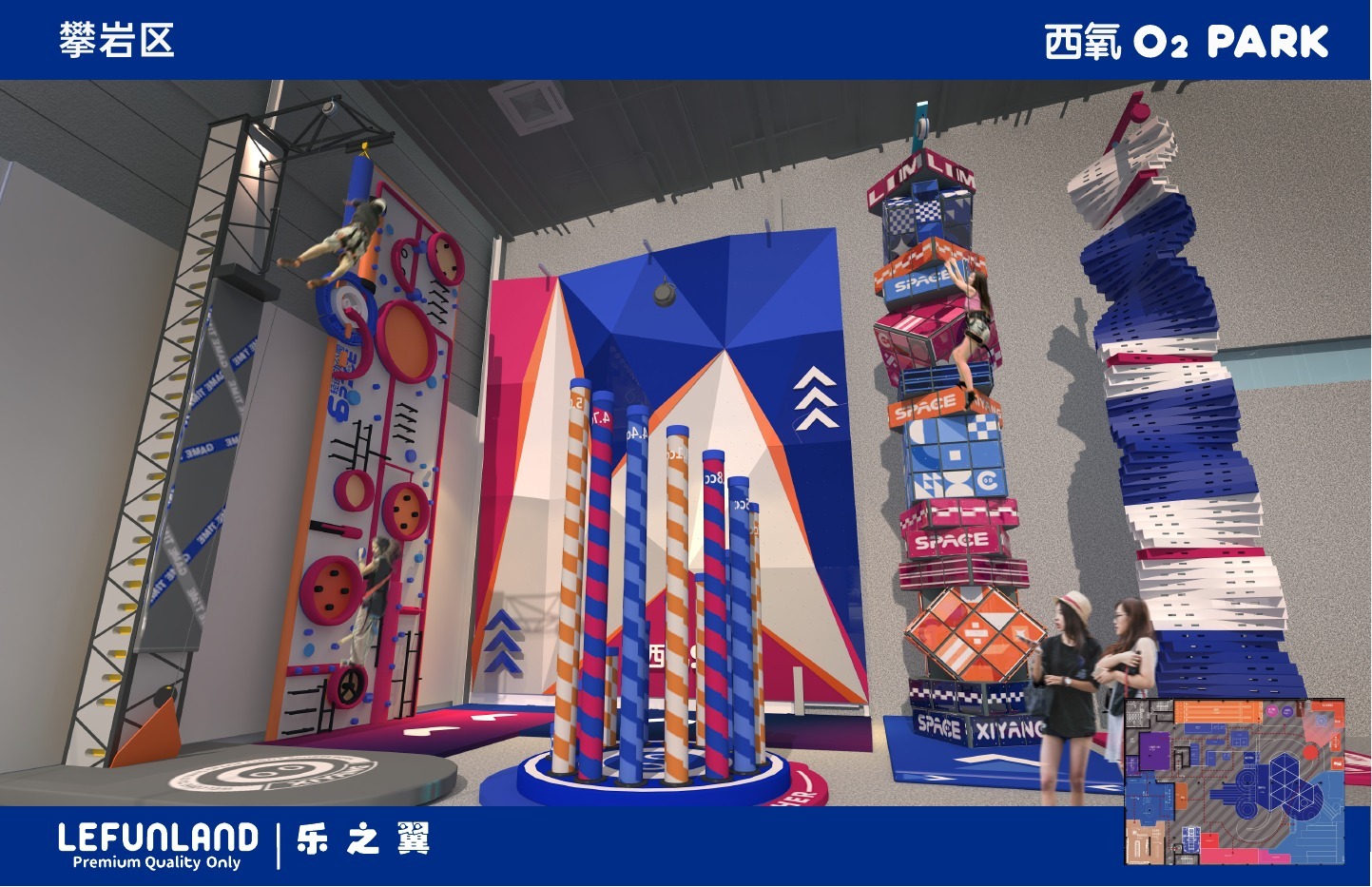
Weekly deep wipe-downs on soft play covering catch seam wear before it becomes a puncture.
PVC covering thickness matters directly here. Lefunland uses 0.45mm PVC over 80-density EVA foam, against an industry-typical 0.35mm PVC over 40 to 50 density foam. Thinner covering on lower-density foam shows seam wear and punctures faster under a weekly wipe-down cycle - the difference between a five-minute patch job and foam replacement that pulls a section out of service for days.
Monthly tasks are where structural issues surface. Budget two to four hours depending on facility size, and schedule it for a slow day or after hours.
| Task | What it catches |
|---|---|
| Full structural inspection | Steel frame welds, powder coating chips exposing bare metal, corrosion at floor anchors |
| Complete ball pit sanitation | Full ball inventory washed and dried, pit floor and walls deep-cleaned |
| Trampoline bed and spring check | Spring tension, bed fabric wear, frame padding coverage |
| Deep-clean all soft surfacing | Full facility EVA foam and PVC covering pass, including under-equipment areas |
| Electrical and lighting check | Exit signage, emergency lighting, any powered attractions |
| Documentation review | Compare this month's findings against last month's log for recurring issues |
Powder coating chips are easy to dismiss as cosmetic. They are not. A chip exposes bare steel to moisture, and in a humid indoor environment - common near ball pits, water play areas, and entrances - that exposed spot corrodes faster than the surrounding coated surface. Lefunland specs 80+ micron powder coating against an industry-typical 40 to 60 microns, which slows how fast a given impact turns into a through-chip. It doesn't eliminate the need to check for chips monthly; it changes how much lead time the check buys before the chip becomes a structural concern.
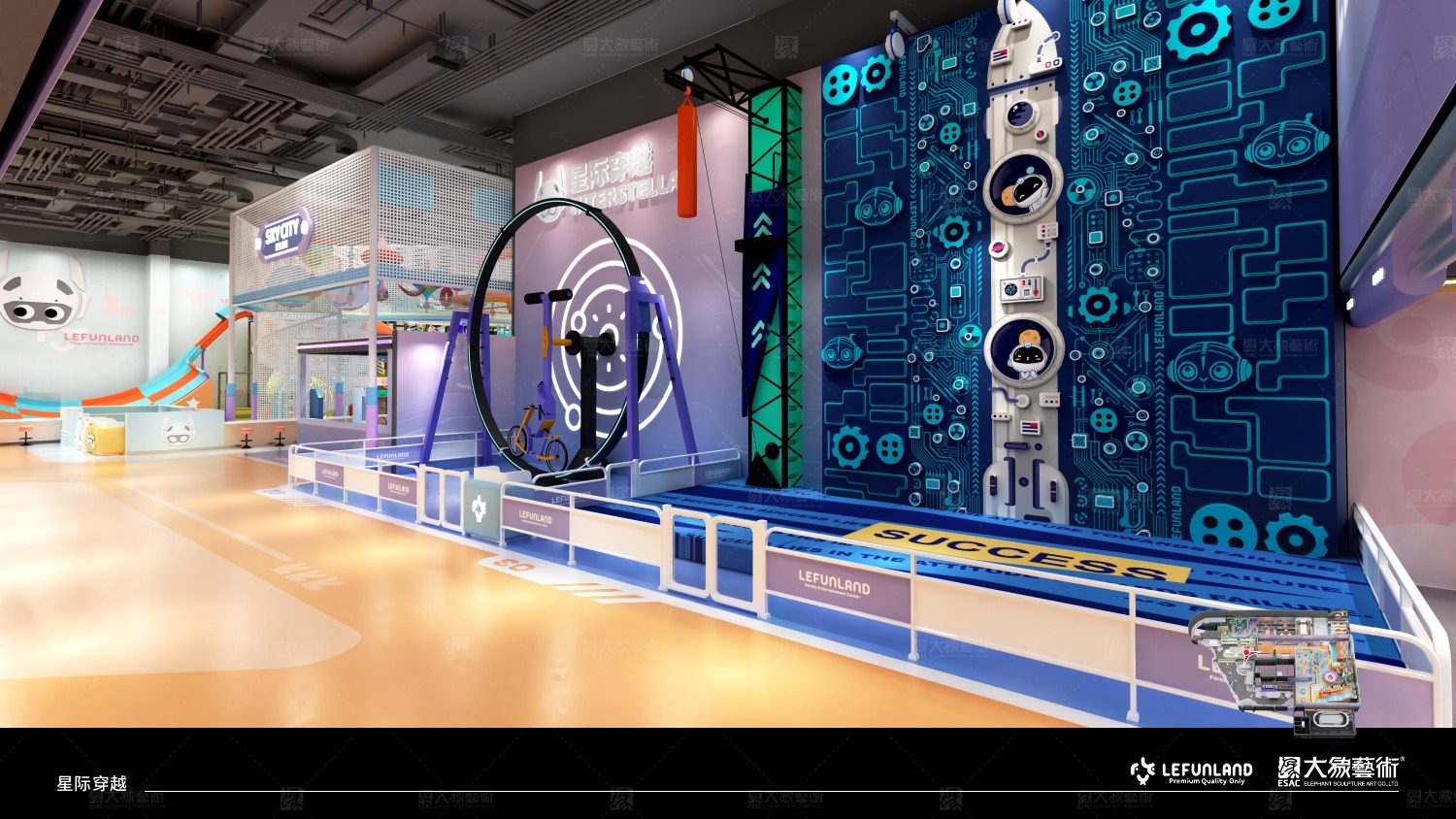
Monthly structural passes check welds, coating integrity, and anchor points that daily walkthroughs don't reach.
Annual inspections are where the maintenance schedule intersects with formal compliance. This is typically where a third-party inspector, or a facility's own designated safety officer, signs off against ASTM F1487 or EN1176 standards, depending on region. The indoor playground safety standards that govern equipment design at installation are the same standards an annual inspection measures against - fall zone clearances, entrapment gaps, guardrail heights, and surface impact attenuation.
An annual check is also the point to review the facility's full maintenance log against actual equipment lifespan. Twelve months of documented daily, weekly, and monthly records give an inspector - and an insurance underwriter - something concrete to review instead of a verbal assurance that "we clean regularly."
The indoor playground maintenance cost conversation usually starts with routine cleaning supplies and staff hours. It should also account for what deferred maintenance costs later. A torn PVC seam caught in a weekly check is a patch. The same tear left through three more weeks of traffic is a foam replacement. A powder coating chip caught monthly is a touch-up. Left two years, it's a corroded structural member.
None of this requires more staff. It requires a schedule that assigns daily, weekly, monthly, and annual tasks to specific roles, with a log that survives a shift change.
Lefunland has delivered 3,000+ indoor playground and soft play projects across 60+ countries since 2009, and every quote includes the material specs that determine how demanding a facility's maintenance schedule will be - steel tube diameter and wall thickness, powder coating microns, EVA density, PVC thickness, and certificate numbers, not just logos.
To request a quote or ask about maintenance planning for a specific facility layout, contact contact@lefunland.com or message +8613605727866 on WhatsApp.
Related reading: Indoor Playground Maintenance Cost Per Year | Indoor Playground Safety Standards Guide
Copyright 2018-2026 © ShangHai Lefunland Children's Products Co.,Ltd. All Right Reserved
