



Indoor Playground Insurance: Coverage Types, Costs, and Requirements
A toddler slipped off the edge of a 30-inch soft-play platform at a Midwest family entertainment center two winters ago. Fractured wrist, one ER visit, a settlement that closed at $46,000 once the family's attorney was finished. The center's general liability policy paid it. The operator still watched next year's premium climb, because a kids' venue that files a claim looks different to an underwriter than one that has never filed. That single incident is why indoor playground insurance requirements sit near the top of every serious business plan, right next to the lease and the equipment order.
Insurance is not one policy. It is a stack of coverages, some legally required, some demanded by a landlord or lender, and some that only matter the day something goes wrong. Getting the stack right protects the business. Getting equipment that carries real safety certification quietly changes what you pay for it.
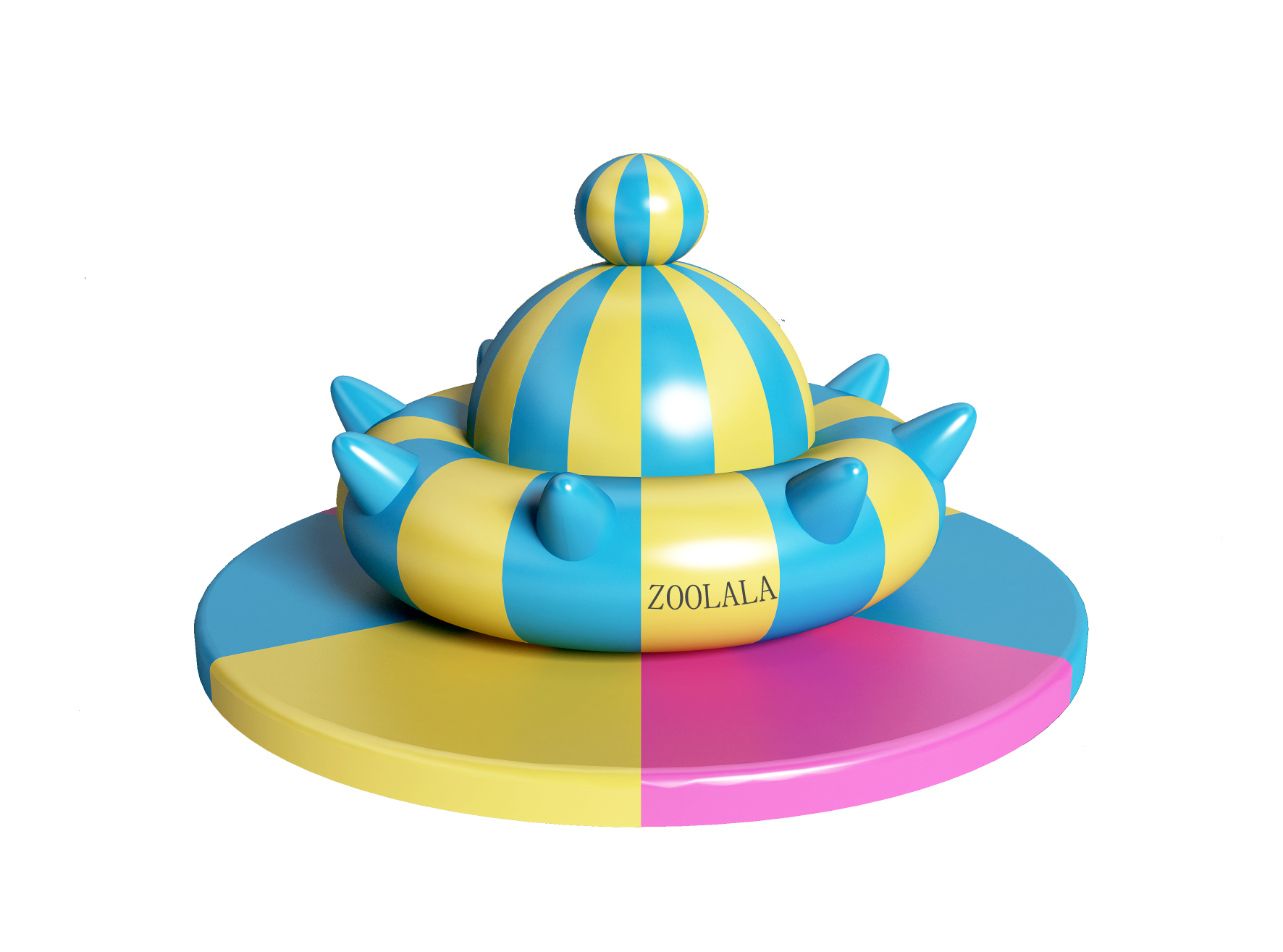
A commercial soft-play structure. General liability is the coverage that responds when a child is injured on equipment like this.
What indoor playground insurance requirements actually cover
Strip away the jargon and the coverage answers three questions. Who pays when a guest gets hurt? Who pays when the building or the equipment is damaged? Who pays when an employee is injured on the clock? Each question maps to a different policy, and no single policy answers all three.
General liability is the anchor. It responds to bodily injury and property damage claims brought by guests, which for a play center means the sprained ankles, the tooth chipped on a slide edge, the parent who trips in the party room. Coverage limits usually run $1 million per occurrence and $2 million aggregate. That aggregate is the annual ceiling, and a busy venue with several small claims in one year can approach it faster than owners expect.
Property insurance covers the physical assets - the fit-out, the play structure, the POS system, inventory in the cafe. Workers' compensation is the one most states mandate outright the moment you hire a single employee, and it covers medical costs and lost wages for staff injured at work. Those three form the base of nearly every indoor playground insurance program.
The coverage stack, one layer at a time
Beyond the base, several coverages show up specifically because this is a children's business with equipment, food, and events under one roof.
| Coverage | What it responds to | Required or optional |
|---|---|---|
| General liability | Guest injuries, guest property damage | Effectively required (landlords, lenders) |
| Property | Damage to building, fit-out, equipment, inventory | Required by most leases |
| Workers' compensation | Employee injury and lost wages | Legally required in most states once you hire |
| Umbrella / excess liability | Claims above the general liability limit | Optional, often lender-driven |
| Business interruption | Lost income during a covered closure | Optional |
| Abuse and molestation | Allegations tied to staff conduct with minors | Often carrier-required for kids' venues |
| Liquor liability | Alcohol-related incidents at events | Required only if you serve alcohol |
Umbrella coverage matters more than its optional label suggests. A serious injury claim - a head injury, a permanent disability - can blow past a $2 million aggregate. The umbrella sits on top and extends the ceiling to $5 million or $10 million for a relatively small premium. Lenders financing a build-out frequently write it into the loan.
Abuse and molestation coverage is the one first-time operators tend to overlook. Any business where adults supervise other people's children draws underwriter attention here, and many carriers will not bind a play-center policy without it. Business interruption is the coverage nobody thinks about until a burst pipe or a fire closes the doors for six weeks and the rent still comes due.
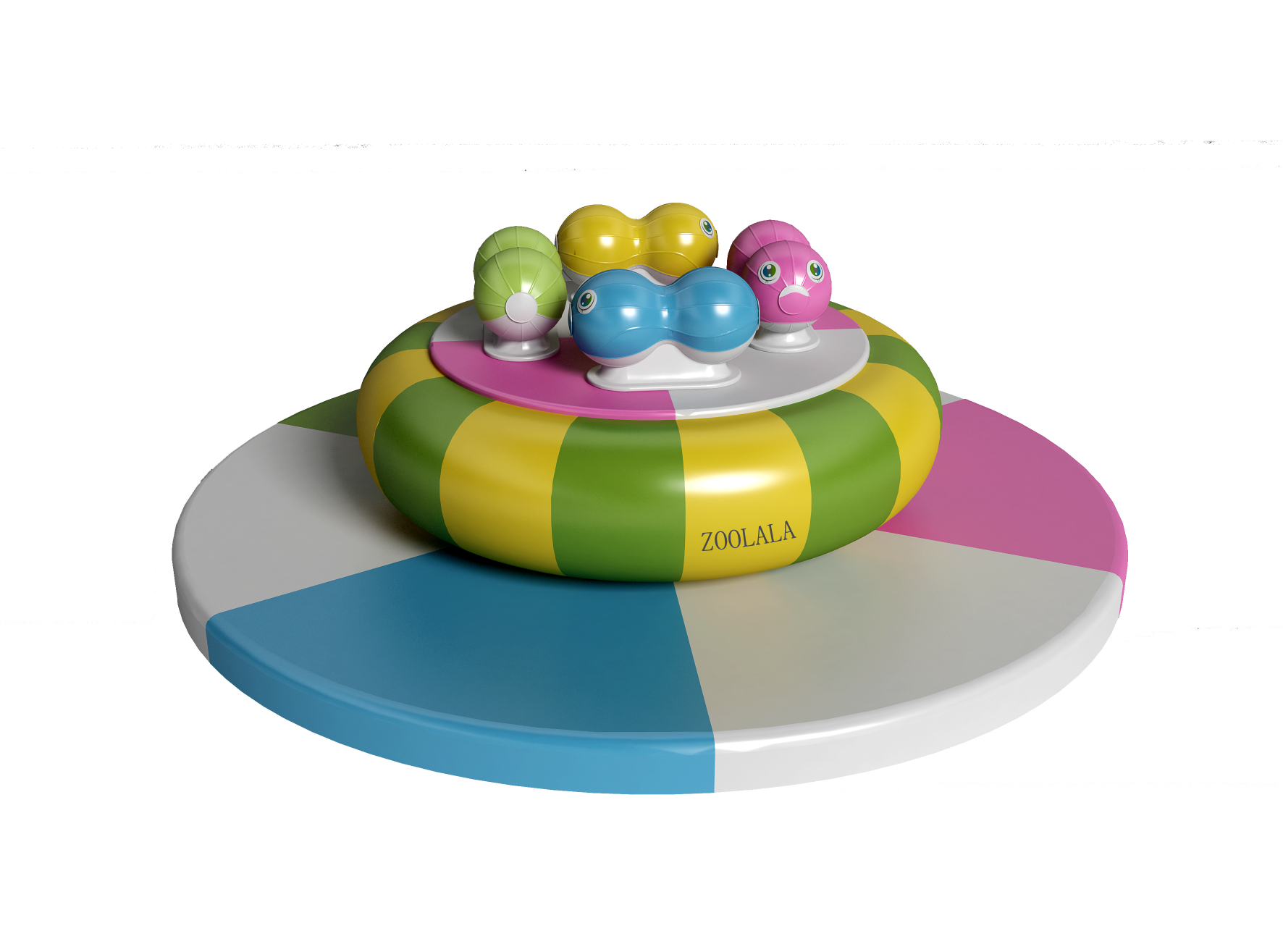
Multi-level play equipment. Property coverage protects the structure itself; liability protects against claims from how it is used.
What indoor playground insurance costs
Premiums scale with square footage, guest volume, equipment height, whether you serve food or alcohol, and your claims history. The figures below are typical ranges for a small-to-mid indoor playground in the United States, not quotes. A broker prices the actual policy against your specific site and payroll.
| Coverage | Typical annual range (small-to-mid FEC) |
|---|---|
| General liability | $2,000 - $7,500 |
| Property | $1,500 - $6,000 |
| Workers' compensation | Varies by payroll and state class code |
| Umbrella (per $1M layer) | $500 - $2,000 |
| Abuse and molestation | $500 - $2,500 |
| Business interruption | Priced against monthly revenue |
A tidy small venue might land a bundled package around $6,000 to $12,000 a year. A larger center with a cafe, alcohol service at adult events, and a high-traffic trampoline zone can run well past that. The single biggest variable an operator controls is not the premium table. It is the risk the underwriter sees when they look at the equipment on the floor.
How equipment certification lowers indoor playground insurance premiums
Underwriters price risk from evidence. When a play structure carries documented certification to ASTM F1487 and EN1176 - the North American and European standards for public playground equipment - the file changes. Certified equipment fails less often, injures less often, and produces a cleaner claims record, and that record is exactly what sets next year's renewal. A binder full of test reports is easier to defend than a claim on equipment nobody can document.
This is where the source of the equipment starts to matter to the insurance line, not just the safety line. Lefunland operates an SGS-authorized testing laboratory, which means the equipment is tested and certified in-house against the standards an insurer will ask about, and the inspection reports come with the order rather than being chased down later. The company is also a principal drafting unit for China's national amusement equipment standards - it helps write the rules the industry certifies against. For an operator assembling an insurance file, that translates into ASTM F1487 and EN1176 documentation ready to hand a broker on day one.
The build quality behind the certificate is what keeps the claims record clean over time. Commercial-grade steel at 48mm by 2.2mm, 80-density EVA foam, and 0.45mm PVC covering hold up under full traffic in ways lighter residential-grade equipment does not. Equipment that stays intact for seven years under commercial load and equipment that starts loosening at year three look identical on opening day. The difference shows up in the incident log, and the incident log is what your premium is built on.
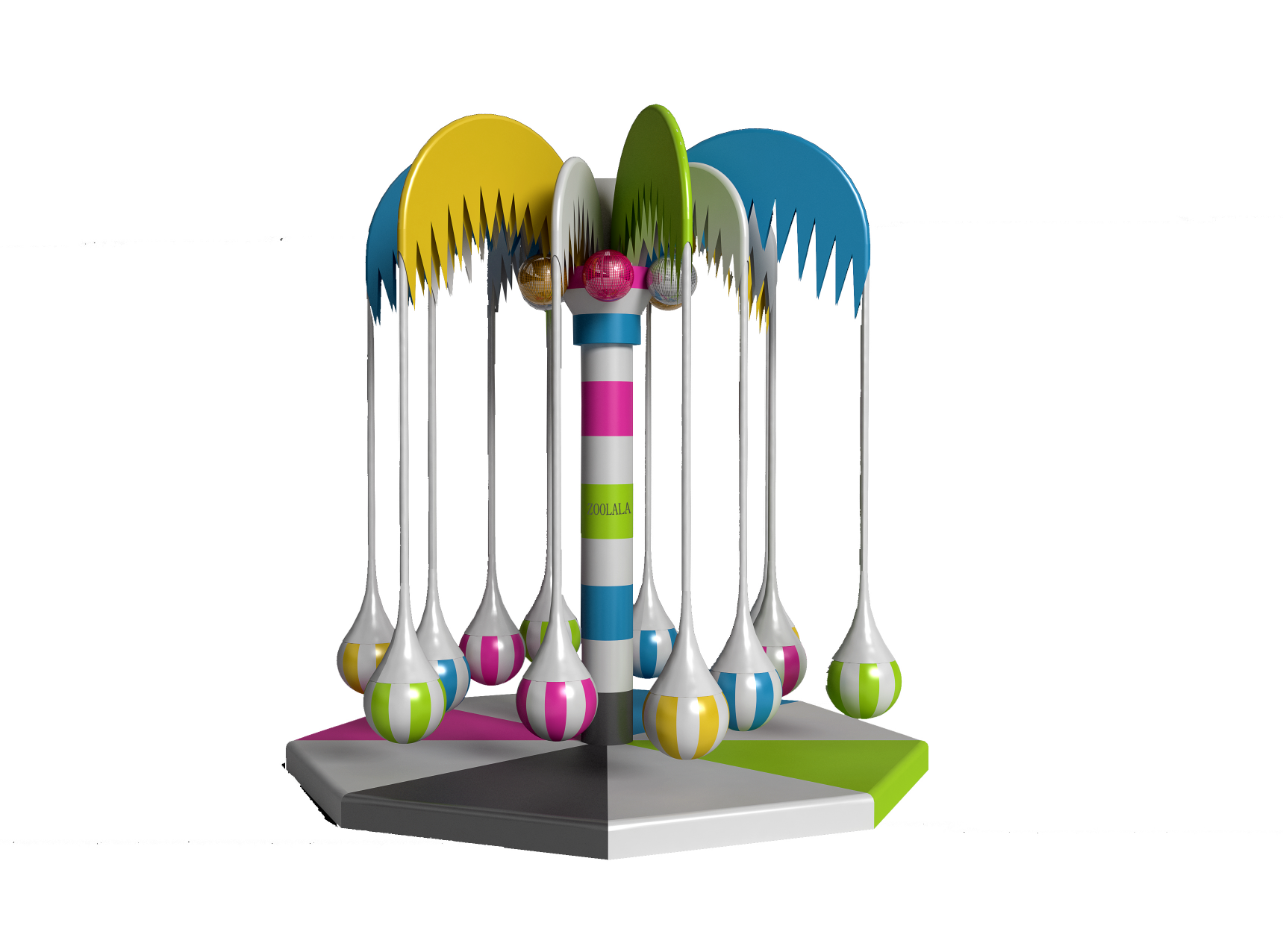
Certified commercial play equipment. Documented ASTM F1487 and EN1176 testing gives an underwriter fewer reasons to load the premium.
Requirements a landlord or lender will add
The policy list is only half the picture. The lease and the loan almost always attach their own conditions. A landlord will require a certificate of insurance naming the property owner as an additional insured, so their entity is protected if a guest sues over an incident on the premises. Lenders financing the build-out set minimum coverage limits and sometimes require the umbrella. Many operators also run guest waivers, especially for higher-risk zones like trampolines or ropes courses, though a waiver supplements coverage rather than replacing it.
None of this is optional in practice. Try to sign a mall or standalone retail lease without proof of general liability and the deal stalls at the certificate-of-insurance step. Building the insurance program early, alongside the business plan, keeps it from becoming the thing that delays your opening date.
Requirements and limits vary by state, carrier, and jurisdiction, so the specifics belong with a licensed commercial broker who knows the family-entertainment class. What does not vary is the underlying logic: safer, certified, well-documented equipment is cheaper to insure and cheaper to run.
Talk to Lefunland about certified equipment
Every Lefunland structure ships with the ASTM F1487 and EN1176 documentation an insurer and a landlord will ask for, tested through our SGS-authorized laboratory. Founded in 2009, with 16+ years of manufacturing and 3,000+ projects delivered across 60+ countries from our 70-acre factory, we build to the commercial specs that keep an incident log clean and a renewal quote sane.
To scope a project and get the certification paperwork that supports your insurance file, reach us at contact@lefunland.com or on WhatsApp at +8613605727866. Request a quote and we will put together a factory-direct proposal with the specs and certificates your underwriter will want to see.
