



What Does an Indoor Playground Equipment Warranty Actually Cover?
One of our clients signed on a "3-year warranty" line and felt covered. A slide panel cracked in month 14. The panel itself was covered, no argument. The freight to ship the replacement and the labor to swap it were not, and that side of the repair ran him about $1,900 on a part that cost the supplier a fraction of it. The warranty did exactly what it said. He had just read the headline number and not the two clauses underneath it.

A commercial soft-play structure is a stack of different materials, and a real warranty covers each of them on a different clock.
A commercial indoor playground warranty is rarely a single figure. It is a set of component windows stacked together: the steel frame carries the longest term, the plastic and fiberglass parts a shorter one, and the foam and vinyl contact surfaces the shortest of all. The two lines that decide what a claim actually costs are whether labor and freight are included and how long replacement parts stay available.
What does the warranty actually cover, and what does it exclude?
A commercial warranty covers manufacturing defects and parts that fail under normal use inside the stated window. That is the whole of it. Cosmetic wear, fading, scratches, dents, and anything traced to misuse, vandalism, incorrect installation, or missed maintenance sit outside the coverage on almost every policy in this category.
Two conditions quietly govern the rest. Most warranties are contingent on the equipment being installed and maintained to the manufacturer's spec, so a self-install or a skipped inspection log can void a claim before it starts. And most warranties expire automatically if the business and its equipment are sold to a new owner, which matters more than buyers expect in a market where centers change hands.
How long is the warranty on each part?
Different materials age differently, so a warranty that means anything is written by component rather than as one blanket term. Published windows across the industry run anywhere from 30 days to a lifetime depending on the part. The pattern underneath the range is consistent: structure long, surfaces short.
| Component | Typical warranty window | What the clause usually covers | Common exclusions |
|---|---|---|---|
| Steel frame and structure | Longest (multi-year) | Structural failure from a manufacturing defect | Rust from misuse, cosmetic marks, overload |
| Plastic slides, panels, fiberglass | Mid (about 18 months to a few years) | Cracking or breakage from a defect | Fading, scratches, normal wear |
| Foam pads and vinyl skin | Shortest | Seam or material defect | Wear-and-tear, tears from use, compression |
| Moving and electronic parts | Short | Defective mechanism or component | Misuse, water damage, consumable parts |
| Ball-pit balls | Often not covered | Rarely warranted at all | Treated as a consumable |
Read the way the term attaches. A supplier can print "up to 10 years" in large type where the 10 years applies only to the frame, while the parts a busy center actually replaces - the padded surfaces and the interactive pieces - carry the shortest windows on the same sheet. The headline number and the number against the part that wears are seldom the same number.
Are labor and freight covered, or just the part?
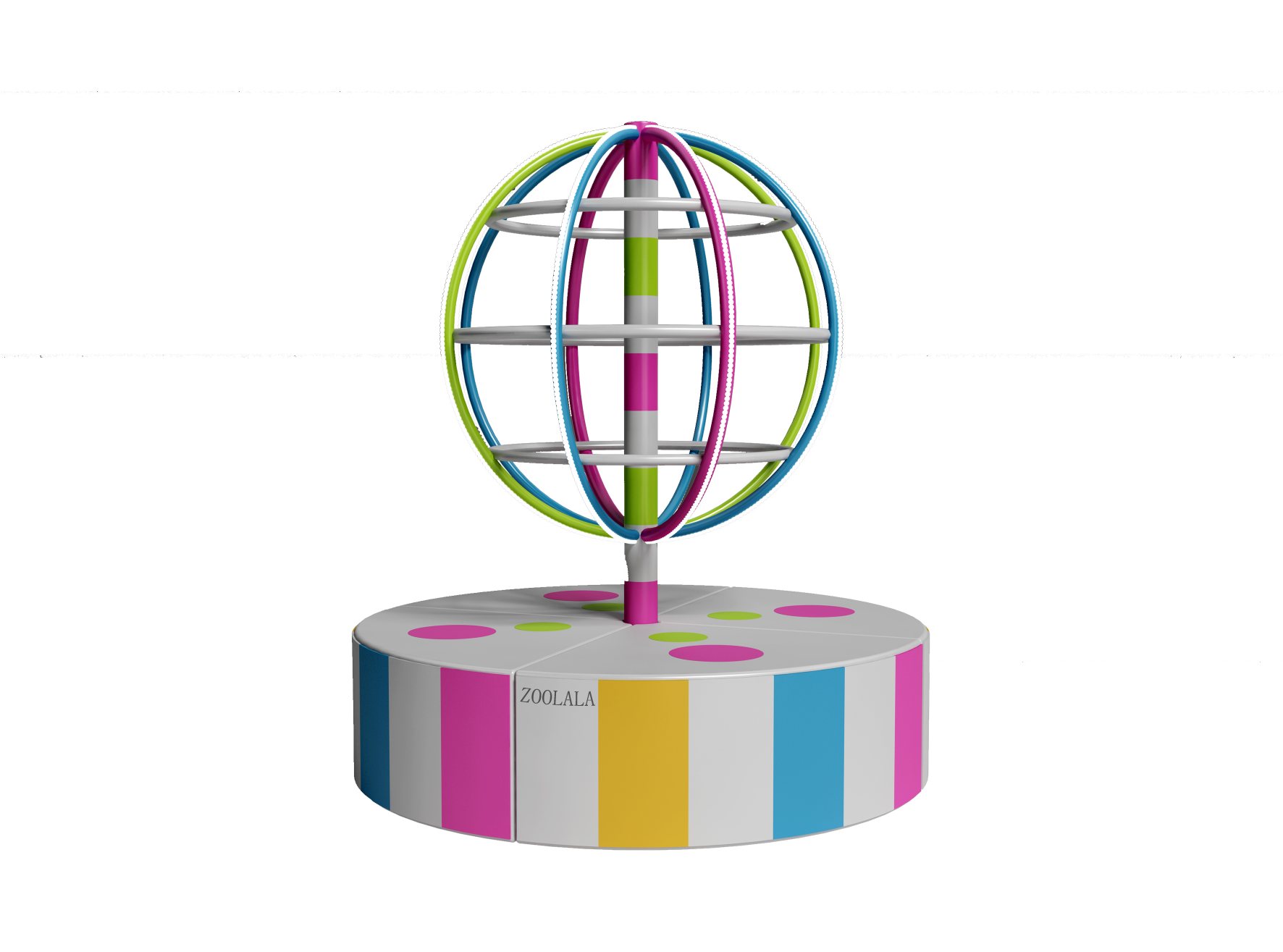
The contact surfaces carry the shortest warranty and get replaced the most, so how a claim is paid out is the clause that actually decides cost.
This is the clause that surprises people. A part-only warranty ships you a replacement component and stops there. The freight to move a large item across an ocean and the labor to install it can outweigh the part itself, and on a part-only policy both land on the operator.
The distinction is worth reading in full before it is tested. Some warranties cover parts, freight, and labor; many cover the part alone; a few cover parts and freight but not installation. None of that shows up in a "3-year warranty" line, which is why the clause matters more than the number of years. These pass-through costs sit in the same build-out and operating budget that the cost breakdown lays out, not in the equipment quote.
What happens to spare parts after the warranty ends?
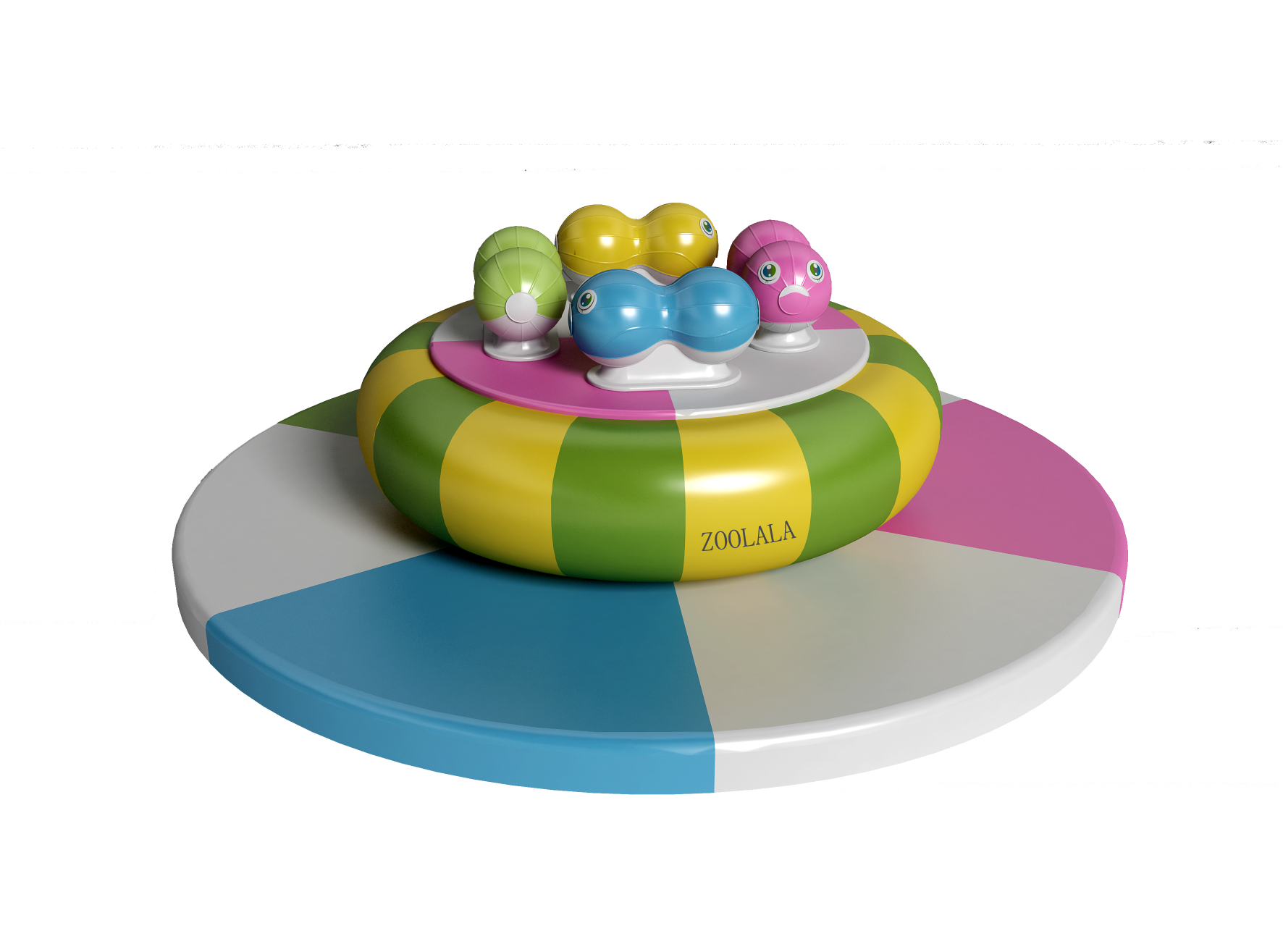
Moving and electronic play pieces carry short warranties, so long-term parts availability from the maker is what keeps them running past year three.
The warranty window is shorter than the asset's life, so the more useful question is whether parts are still available once it closes. Turn-key packages often ship with enough spares to cover the first one to three years, which quietly masks the real issue until those run out.
After that, availability and price depend entirely on the maker still producing the model and holding the tooling. Extended coverage exists, usually priced around 10 to 15 percent of the equipment cost per additional year, and for a high-traffic center that math can pencil out. A supplier that has produced the same equipment for years is a different parts-availability bet than one whose catalog turns over quickly. The differences are easier to see at year four than at signing.
Does the material spec change what the warranty is worth?
It changes how often you reach the exclusions. Wear-and-tear is excluded on nearly every policy, so the warranty is only worth as much as the material's resistance to wearing out in the first place. That resistance is set by the spec sheet.
The four lines that decide it are the same ones worth reading on any quote: steel tube at 48mm x 2.2mm against a lighter 40mm x 1.5mm, powder coating at 80+ microns against 40 to 60, 80-density EVA foam against 40 to 50, and 0.45mm PVC against 0.35mm. A thin, low-density surface hits its wear exclusions early and gets replaced on the operator's dime; a heavier one keeps the covered part in service. Cheaper by 15 percent and replaced in year four is not cheaper. What the warranty covers is one of the five questions a quote should answer, alongside the steel, coating, foam, and certificate numbers, and it feeds straight into the long-run economics of the center.
Frequently asked questions
What does an indoor playground equipment warranty cover?
Manufacturing defects and parts that fail under normal use within the stated window, and nothing more. Cosmetic wear, fading, scratches, and damage from misuse, vandalism, incorrect installation, or missed maintenance are excluded on almost every commercial policy. Coverage is also usually contingent on installing and maintaining the equipment to spec.
How long is the warranty on indoor playground equipment?
It is written by component rather than as one number. The steel frame carries the longest term, plastic and fiberglass parts a mid-length one, and the foam and vinyl contact surfaces the shortest. Published windows across the industry range from 30 days to a lifetime depending on the part, so the headline figure usually describes the structure, not the parts that wear.
Does the warranty cover labor and shipping for a replacement part?
Not always, and this is the clause that decides real cost. Some warranties cover parts, freight, and labor; many cover the part alone and leave freight and installation to the operator. On a large item, freight and labor can exceed the part itself, and none of that is visible in a "3-year warranty" line.
Can I still get replacement parts after the warranty expires?
That depends on whether the maker still produces the model and holds the tooling. Turn-key packages often include spares for the first one to three years. After that, extended coverage is typically priced around 10 to 15 percent of equipment cost per year, and long-term availability is stronger with a supplier that has produced the same equipment consistently.
Does the warranty transfer if I sell the business?
Usually not. Most commercial playground warranties expire automatically when the equipment is transferred to a new owner. In a market where centers change hands, that clause is worth confirming in writing before a sale rather than assuming the coverage follows the equipment.
About Lefunland
Lefunland has manufactured commercial indoor playground equipment since 2009 - 16+ years, 3,000+ projects delivered in 60+ countries, from a 70-acre factory in Dongyang, Zhejiang. Equipment is built to ASTM, EN1176, and IBC requirements and SGS-tested. Lefunland is a principal drafting unit for China's national amusement equipment standards and operates an SGS-authorized testing laboratory that can test and issue inspection reports for the amusement equipment industry. Standard specs are 48mm x 2.2mm steel tube, 80+ micron powder coating, 80-density EVA foam, and 0.45mm PVC covering, factory-direct from $10 per sq ft with a 45-day production lead time.
Request a factory-direct quote and 3D design for your floor plan: contact@lefunland.com | +1 717 874 7858
